
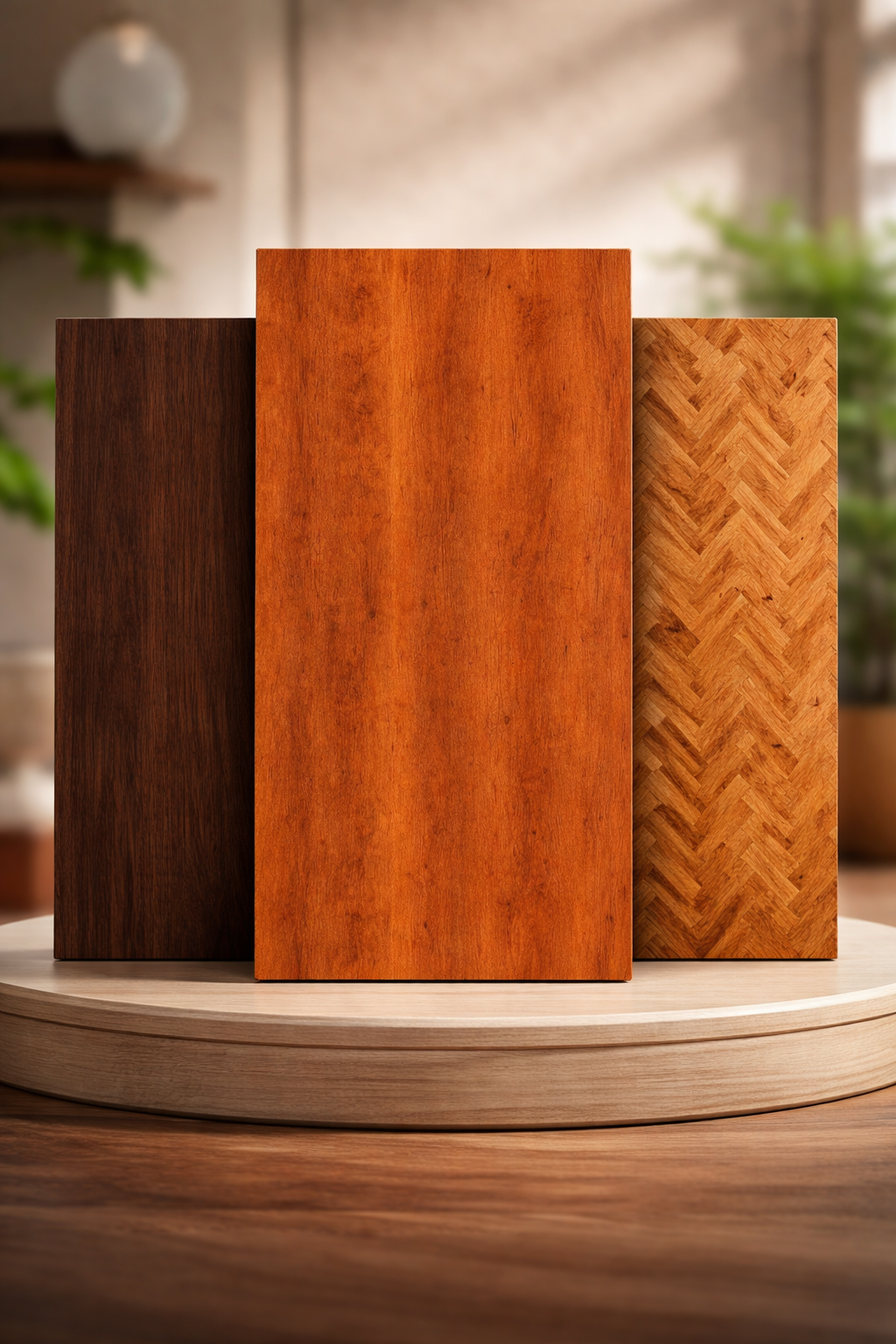
Understanding HPL Colour Basics
Selecting the right HPL colour is more than a visual decision; it influences durability, maintenance, and the overall perception of a space. HPLMAKER’s high pressure laminate is engineered to retain its hue even under harsh conditions, thanks to built‑in UV resistance that prevents fading or discoloration. This stability makes colour selection a long‑term investment rather than a temporary styling choice.
Why Colour Matters in HPL Projects
The colour of HPL sets the tone for interior themes, exterior façades, and functional zones such as hospitals or schools. Light shades can make compact rooms feel airy, while darker tones add depth and hide minor wear in high‑traffic areas. Because HPLMAKER’s laminate resists scratches, stains, and termites, the chosen colour remains visible and accurate for years, supporting both aesthetic goals and practical longevity.
How HPL Manufacturing Influences Colour Consistency
During production, decorative papers are impregnated with melamine resins and fused under high pressure and temperature, locking in pigment uniformity across each sheet. HPLMAKER’s process ensures that colour variation between batches is minimal, allowing designers to rely on shade cards for accurate matching. This consistency is especially valuable when large cladding panels or continuous flooring runs are required, as it prevents noticeable seams or tonal shifts.
Navigating the HPL Shade Card
HPLMAKER provides an extensive shade card that organizes colours by family, finish, and application suitability. Understanding how to read this reference tool streamlines the selection process and helps avoid mismatches between digital renderings and physical samples. The shade card also indicates which colours are stocked for quick delivery versus those that may require longer lead times.
Reading the Shade Card: Codes and Finishes
Each entry on the shade card includes a unique code, a colour name, and a finish indicator such as matte, gloss, or textured. The finish affects how light interacts with the surface; for example, a matte finish reduces glare and can soften bold hues, while a gloss finish amplifies vibrancy and is often chosen for feature walls. HPLMAKER’s shade card clearly labels these options, enabling designers to pair the right colour with the desired surface feel.
Coordinating Samples with Site Conditions
Before finalising a colour, it is advisable to request physical samples and observe them under the actual lighting conditions of the project site. Natural daylight, artificial fixtures, and surrounding materials can shift the perceived tone of an HPL sheet. HPLMAKER’s UV‑stable laminate means that what you see in the sample will remain true over time, but verifying the sample in situ prevents unpleasant surprises after installation.
Choosing Exterior Colours: Trends and Considerations
Exterior cladding faces the most aggressive environmental stressors, including direct sunlight, rain, temperature fluctuations, and pollution. HPLMAKER’s laminate offers UV resistance that protects against fading, making it suitable for long‑lasting façade applications. When selecting exterior colours, designers must balance aesthetic trends with the practical benefits of the material’s inherent durability.
Impact of UV Exposure and Climate on Colour Choice
Although HPLMAKER’s product does not fade or discolor, very dark colours can absorb more heat, which may affect the underlying substrate in extreme climates. Lighter shades reflect solar radiation and can contribute to cooler surface temperatures, a factor worth considering for projects in hot regions. The laminate’s moisture and water resistance ensures that colour performance remains consistent regardless of humidity or rainfall.
Current Colour Trends in Cladding for 2024‑2025
Recent trends favour earthy neutrals such as warm greys, soft beiges, and muted sage greens that blend with natural surroundings. Deep charcoal and navy blues are also popular for creating striking contrast against lighter architectural elements. HPLMAKER’s shade card includes these contemporary options, all backed by the same UV‑resistant core that guarantees colour stability over the product’s lifespan.
Balancing Aesthetics with Performance Requirements
While following trends can give a project a modern edge, it is essential to verify that the selected colour meets any specific performance criteria, such as fire‑retardant ratings or ease of cleaning in polluted urban settings. HPLMAKER’s laminate provides fire‑retardant properties and is easy to clean, so designers can confidently choose trendy shades without compromising safety or maintenance ease.
Matching HPL Colours to Application and Design Goals
Different applications demand distinct colour strategies. Furniture may benefit from warm, inviting tones, whereas wall cladding in public spaces often calls for neutral, durable shades that withstand constant use. HPLMAKER’s broad portfolio supports a wide range of functions, from residential interiors to high‑traffic environments such as airports, hospitals, and schools.
Interior Applications: Furniture, Wall Panels, Flooring
For furniture, designers frequently select wood‑grain reproductions or soft pastels that create a welcoming atmosphere. Wall panels in living areas or offices can experiment with bolder accent colours, knowing that the laminate’s scratch‑ and stain‑resistant surface will preserve the look. Flooring selections often lean toward medium tones that conceal dust and minor abrasions while providing a stable base for interior design schemes.
Specialty Uses: Bathroom Cubicles, Public Spaces
Bathroom cubicles require colours that resist moisture and are easy to sanitise; HPLMAKER’s laminate meets these needs with its water‑resistant and easy‑to‑clean properties. In airports, hospitals, and schools, neutral palettes with subtle textures help maintain a calm environment while benefiting from the material’s fire‑retardant and termite‑resistant characteristics. The 25‑year Live Camera Warranty offered by HPLMAKER underscores confidence in long‑term colour retention, even in these demanding settings.
Using the Live Camera Warranty as Confidence in Long‑Term Colour Retention
HPLMAKER’s Live Camera Warranty, described as the only one of its kind in India, provides up to 25 years of assurance that the laminate will not fade, discolor, or lose its decorative integrity. This warranty gives homeowners and designers peace of mind that the chosen colour will remain true throughout the product’s service life, reinforcing the value of thoughtful HPL colour selection at the project outset.
Talk to HPLMAKER
HPLMAKER is one of India’s leading high pressure laminate manufacturers, based in Indore and trusted by architects, builders, and homeowners across the country. Every sheet is backed by an industry-first up-to-25-year live camera warranty and complete local support. To get the right shade and the best price for your project, call +91 89824 90236 or write to marketing@hplmaker.com.